Empowering Farmers. Restoring Landscapes.
Growing productive fruit ecosystems for generations to come.
There’s a better way to grow the future.
A future where farmers restore the land — and earn a living doing it.
One where healthy land and thriving communities grow together.
Growing Beyond One Village
Fruit Growing started in one village.
Today, it’s growing across Kenya.
We empower farmers to restore the land.
We help them build resilient livelihoods.
And together, we grow productive fruit ecosystems for generations to come.
Healthy Land. Thriving Communities.
Every thriving community begins with healthy land.
Healthy soils. Healthy trees. Healthy water. Healthy ecosystems.
Across Kenya, farming communities face real challenges.
Declining soil. Shifting weather. Shrinking biodiversity. Uncertain markets.
But every community holds something stronger than its problems.
Knowledge. Commitment. Resilience. Hope.
When farmers are equipped to care for the land, everything changes.
Landscapes recover. Families flourish. Communities grow stronger.
That’s the future we’re growing — the right fruit, in the right place, for the right reasons.
Where It All Began
The Fruit Growing Way began with a simple question.
What if restoring the land could also restore opportunity?
In 2023, our founder, Catherine Miriri, visited a fruit-growing community in Murang’a.
What she found there wasn’t just inspiring. It was proof.
Trees were bearing fruit within three years. And farmers were earning far more for their harvest than anyone back home in Nyeri.
“I learned that the trees in Murang’a were already bearing fruit after only three years,” Catherine explains. “But the real shock was the value. In Murang’a, a kilo of export-quality Hass avocados earns farmers over 100 KES, while back home in Nyeri, the few avocados we have fetch 20 KES or less.”
Catherine miriri
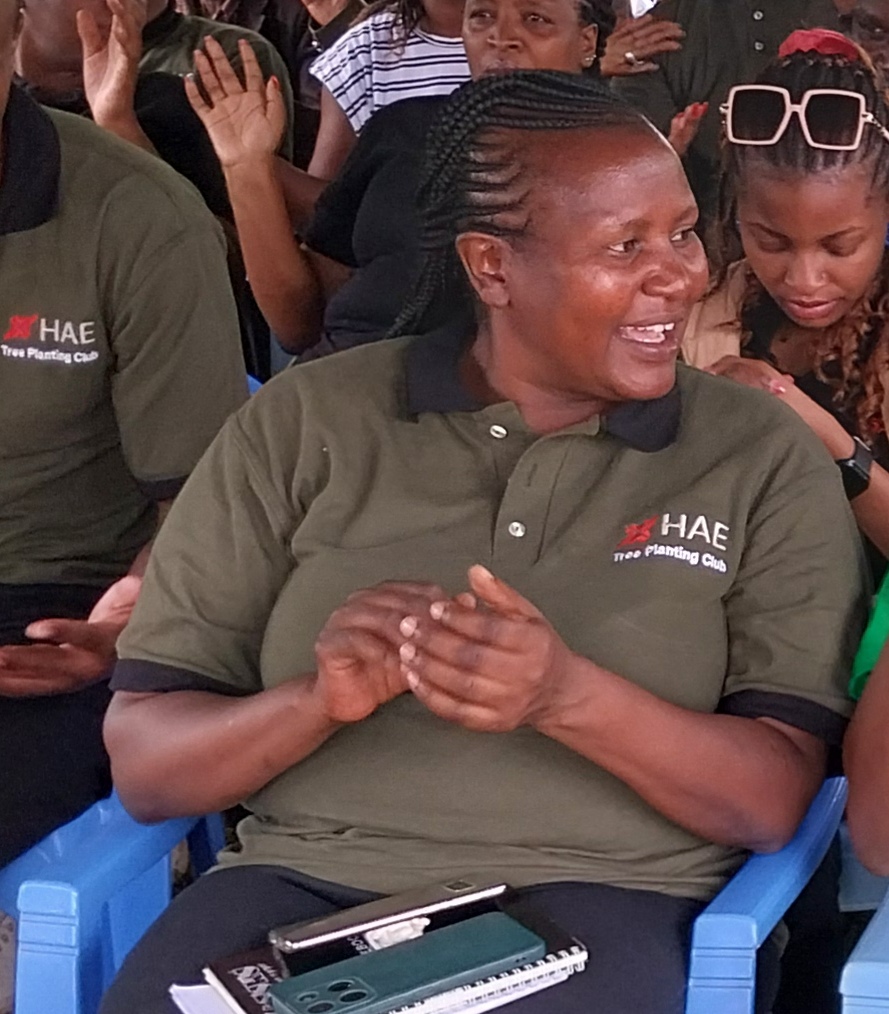
She returned home to Gituri village, in Ngandu Sub-location, Kirimukuyu Location, Mathira West, Nyeri County.
She returned with more than an idea. She returned with a conviction.
That this land, on the slopes of Mount Kenya, could grow the same future.
Not because it needed saving. Because the people who cared for it deserved greater opportunity.
That conviction became a conversation. The conversation became a community.
In February 2025, that community found its first formal partner.
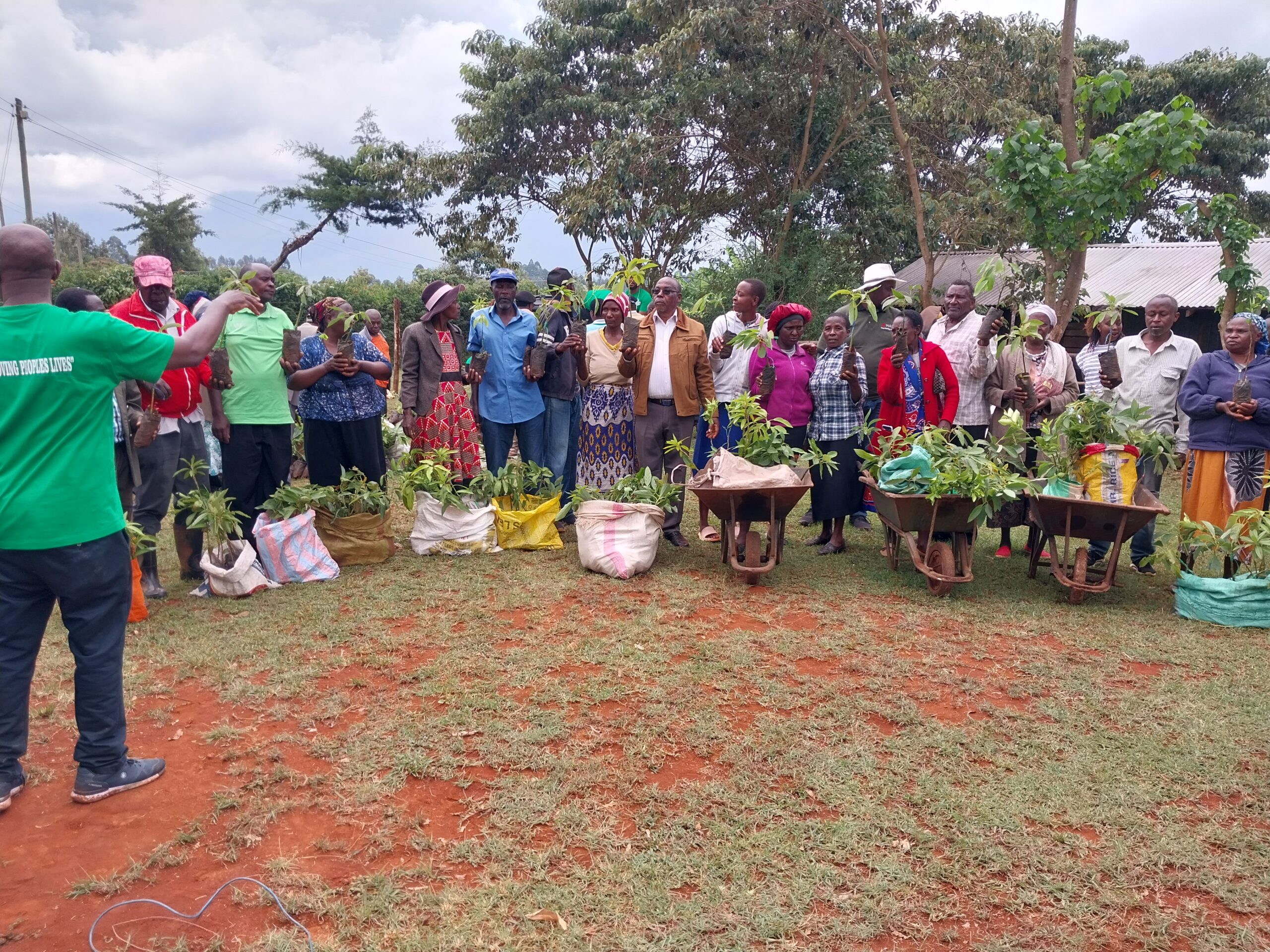
On 27 March 2025, the first 700 seedlings went into the ground, with 30 local farmers.
The conversation had become a movement.
Today, it keeps growing — through the hands of farmers transforming their own futures, and neighbouring communities asking to join.
Why We Start With Hass Avocados
Every story needs somewhere to begin.
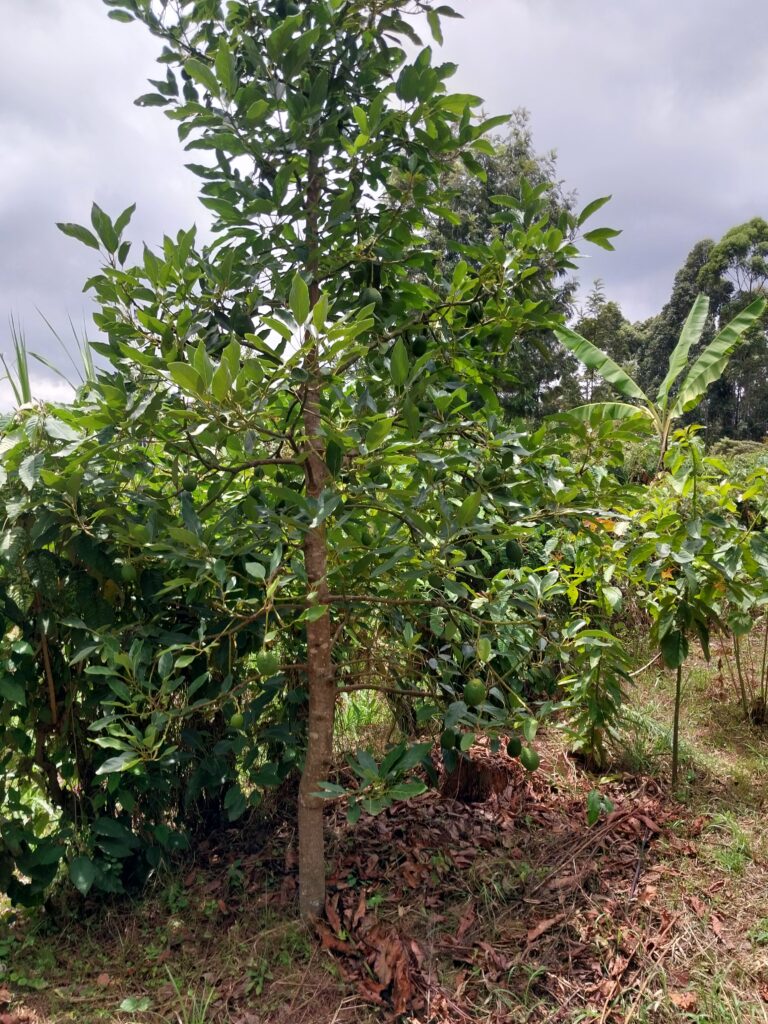
For us, that’s the Hass avocado.
Not because it’s the only fruit that matters. Because it shows what’s possible when the right fruit meets the right landscape.
A well-managed avocado orchard restores tree cover. It improves soil health. It creates long-term income. It gives farming families the confidence to invest in the future.
Mango and pixie orange are growing alongside it — different fruits, the same purpose.
Hass avocados aren’t our destination. They’re the first chapter of a much bigger story.
How We Grow Change
Fruit trees don’t restore landscapes.
People do.
Empower Farmers
Practical training. Hands-on mentorship. Technical guidance that helps farmers lead in their own communities.
Restore Landscapes
Healthier soil. Cleaner water. More biodiversity. More tree cover — through regenerative agriculture and agroforestry.
Build Productive Fruit Ecosystems
Fruit ecosystems that create lasting value — environmental, nutritional, and economic.
Strengthen Livelihoods
Thriving orchards. Thriving families. Reliable income, stronger local markets, and something to pass down.
Transformation Is Already Underway
2,000 fruit tree seedlings — Hass avocado, mango, and pixie orange — delivered by April 2025.
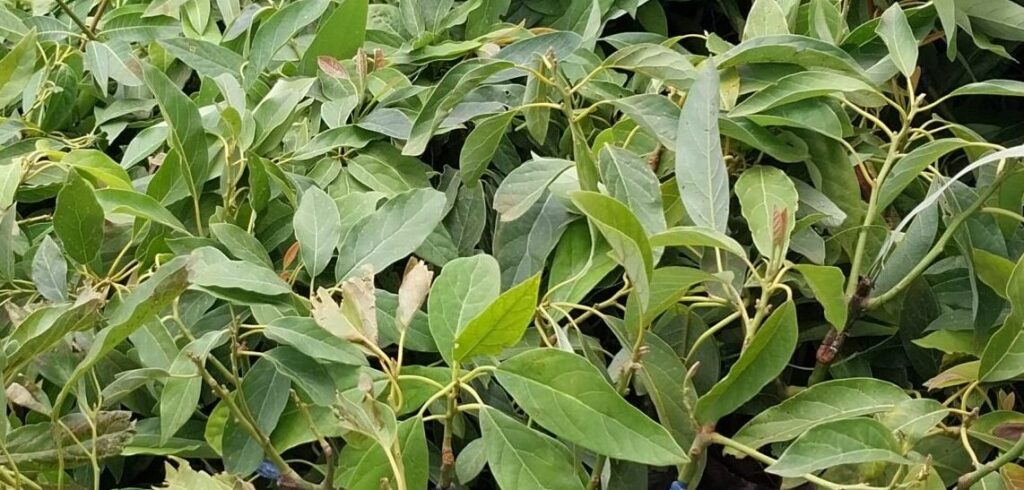
3,600 avocado seeds planted by hand in our own community nursery, May to July 2025. Growing toward distribution in 2027.
70%+ of last year’s planted seedlings have survived and are thriving.
A further 1,000 seedlings were distributed in April 2026, to over 150 farming families.
A formal community-based organisation, established: HASS Avocado Experts and Fruits Growers.
This work is no longer measured only by trees planted.
It’s measured by the capacity communities are building to restore their own land, and shape their own future.
Rititi Sublocation, Hombe (Sagana State Lodge area), and Magutu Location have joined us. Each now runs its own ongoing tree nursery.
Every Orchard Has a Story
Peter
He returned home after years of community development work. He believes farmers deserve better opportunities.
Today, he sees fruit growing as a way to strengthen livelihoods for thousands of families.
Ruth
She has turned her farm into a living ecosystem. Trees, bees, fish, rainwater harvesting, biodiversity — all working together.
Fruit trees are the next step in a vision she’s already living.
These aren’t just stories about farming. They’re stories about resilience, stewardship, and community.
[Read More Stories]
Find Your Place Here
The future of farming won’t be shaped by one organisation.
It’ll be shaped by thousands of empowered farmers, communities choosing restoration, and partners investing for the long term.
There’s a place for you here.
If you’re a farmer
Learn what it takes to grow the right fruit on your land. You won’t be doing it alone. [Join as a Farmer]
If you’re a partner or investor
Support community-led restoration at scale. Help take The Fruit Growing Way to more landscapes across Kenya. [Explore Partnership]
If you’re a researcher or organization
Collaborate with us on regenerative agriculture, agroforestry, and community-led land restoration. [Start a Conversation]
If you’d like to volunteer
From training farmers to telling this story, this work runs on people who give their time and skill. There’s a role here for yours too. [Volunteer With Us]
If you believe in this
You don’t need land or an institution behind you. Just belief that a better future can be grown. [Support the Cause]
Walking With Us
Nothing like this is built alone.
These are the partners who’ve walked this journey with us.
Founding Partner
HAE Group, whose partnership with our community began in 2023 and continues to this day. Special thanks to Ms. Ilona Dane of HAE Group London, whose early support and continued documentation have helped carry this journey forward.
Programme Partner
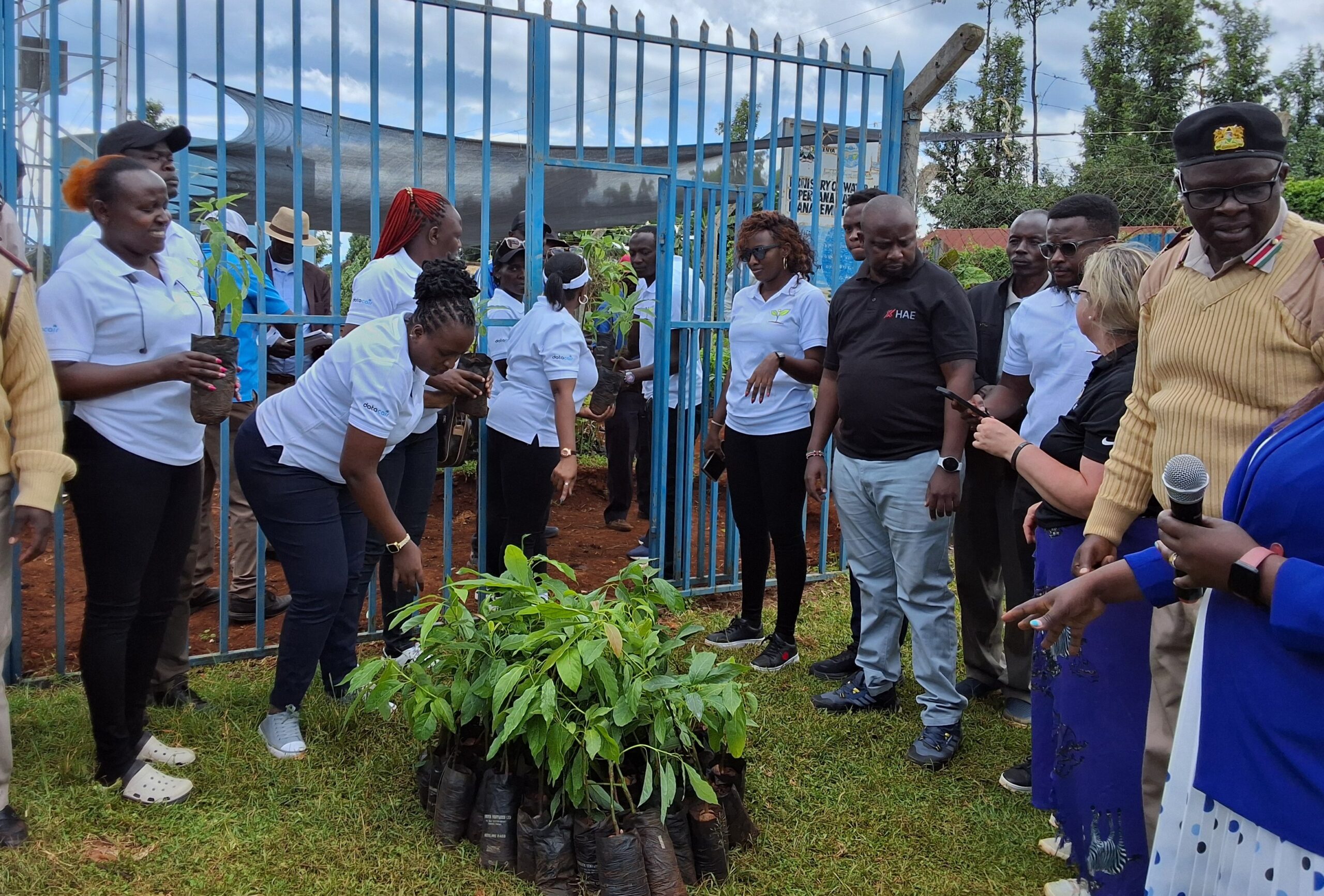
Datacair Kenya, co-sponsor of our 2026 tree-planting expansion in Ngandu Village.
Contributors
Racheal Mugure, General Manager of Tradewinds Logistics, and Magnate Ventures Ltd, for their generous donation of indigenous and avocado trees.
HAE Kenya’s client partners — Tradewinds Logistics, Expolanka Freight, Flawless Empire, Monstera, and Lafrik Logistique — for their support and participation.
Local Government & Leadership
Franklin Ongoli, Deputy County Commissioner, Mathira West.
Martha Wamaitha, Water Resources and Environment Practitioner.
Chief Patrick Ngunjiri Kabiru, whose leadership has guided this project from its earliest days.
Government agricultural officers, who continue to support the project’s growth on the ground.
Technical & Training Partners
Dr. Nehemiah Mihindo of Effective IPMA, whose feasibility study and early support helped set this project on solid ground.
Agronomist John Kahiga, who trains farmers and CBO members in sustainable, organic growing practices.
Volunteers
This work runs on more than funding. It runs on people who show up.
Isaac Miriri, volunteers as lead photographer and website builder for The Fruit Growing Way — helping tell this story to the world.
Something like this is never one story with one author.
It’s built at the meeting point of farmers, government, technical experts, partners, and people who simply believed enough to show up and help.
That collaboration — as much as any seedling — is what we’re growing here.
Grow the Future With Us
Whether you’re planting your first orchard, exploring a partnership, or simply believing a better future is possible —
There’s a place for you here.
We believe farmers are the best stewards of their land.
We believe environmental restoration and economic opportunity belong together.
We believe lasting change grows from within communities.
Together, we can grow the right fruit, in the right place, for the right reasons.
[Explore The Fruit Growing Way] [Become a Partner]